
Termination of Parental Rights: A Last Resort to Protect the Child
Termination
Restriction
Custody authority
Child's interest
Restoration
Termination of parental rights is one of the most complex family law cases. It is used only when other measures have failed and the child's life, health or moral development is genuinely at risk in the parent's care. O'LAW family lawyers in Lviv handle such cases with maximum care: our goal is not to punish the parent, but to protect the child and secure their future.
Information current as of 2026. All inquiries are confidential, protected by attorney-client privilege. We represent clients in Lviv Oblast courts and work with custody authorities in every district of Lviv.
Termination vs Restriction: Two Different Tools
Clients often confuse these two terms. The law provides two distinct mechanisms with very different consequences — and the choice depends on the situation:
| Restriction (removal) | Termination of rights |
|---|---|
| Temporary measure | Permanent severance of the legal relationship |
| Used when staying with parents is dangerous (serious illness, temporary inability) but full termination grounds don't exist | Used in systematic violation of the child's rights: evasion, cruelty, addictions |
| Parents lose the right to upbringing but may still see the child | Loss of all rights: upbringing, communication, representation, inheritance |
| Can be reversed when circumstances change | Can be restored only through court if behaviour radically changes |
| Duty to support the child is preserved | Duty to support the child is preserved |
Grounds for Termination of Parental Rights
The law contains an exhaustive list of grounds. Courts require documented evidence — witness statements alone are not enough. The grounds are:
- Evasion of parental duties: deliberate and prolonged absence of care for the child's development, education, treatment, systematic non-payment of alimony.
- Cruel treatment of the child: physical or psychological abuse, humiliation.
- Chronic alcoholism or drug addiction: must be confirmed by an official medical opinion from a narcological dispensary.
- Exploitation of the child: forcing into begging, vagrancy or illegal activities.
- Wilful crime against the child: committing a crime against the child's life, health or sexual integrity.
- Abandoning the child without valid reasons: in a maternity hospital or other institution where parents' identity cannot be established.
Who Can File the Claim
One of the parents
Most often — the parent with whom the child lives, against the other parent who fails to perform duties.
Guardian or carer
The person actually supporting the child (grandparents, other relatives).
Custody authority
The authorised state body that has identified the violation of the child's rights.
Prosecutor or the child
Prosecutor — in the public interest; the child from age 14 may file independently.
How We Run the Case
1
Case assessment
We analyse the circumstances, evaluate real chances, list the evidence required. We honestly say whether to pursue termination or whether restriction is more appropriate.
2
Evidence gathering
Character references, medical opinions, housing inspection reports, police records, psychologist conclusions, witness testimony.
3
Custody authority engagement
We initiate the living conditions inspection and obtain the children's service opinion. Without it the court will not hear the case.
4
Filing the claim
We draft the petition with a clear list of grounds, evidence and legal justifications. We include the alimony claim.
5
Court representation
The lawyer leads the case: witness examinations, evidence review, expert examinations (psychological, narcological), responses to the defendant.
6
Judgment and enforcement
We obtain the court decision and register it with the enforcement service. We monitor alimony collection and the ongoing relationship with the custody authority.
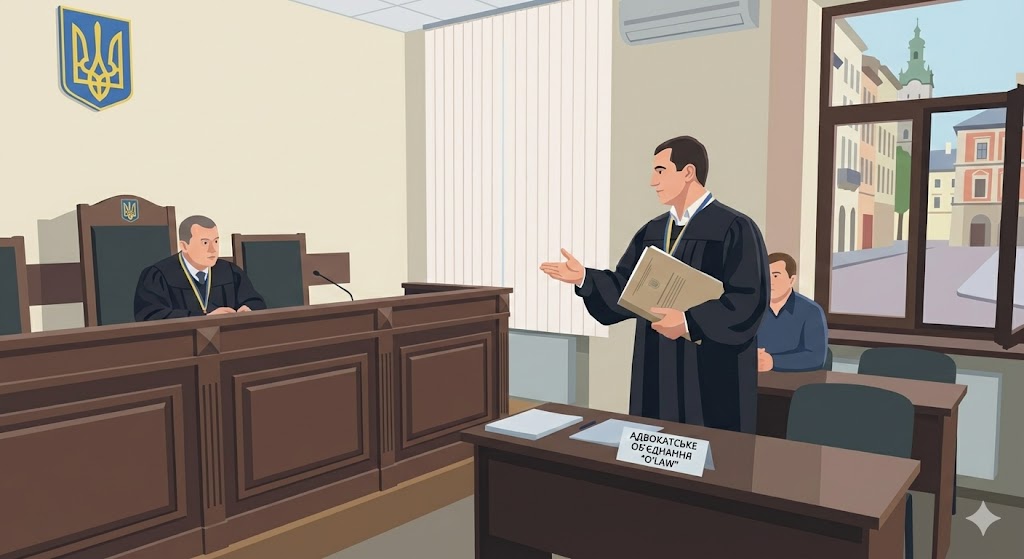
Consequences for the Child and the Parent
For the child
Preserves all property rights (inheritance, alimony). May live with the other parent, a guardian, or be adopted. Relations with the relatives on the terminated parent's side may continue by decision of the custody authority.
For the parent
Loses the right to raise, communicate, represent, see school records. Loses the right to inherit from the child. Retains the obligation to pay alimony. Loses the right to a survivor pension in the event of the child's death.
Frequently Asked Questions
Restriction (removal) is a temporary measure used when staying with parents is dangerous for the child, but there are no sufficient grounds for full termination. Parents keep the right to communicate but lose the right to upbringing. Termination is a permanent severance of the legal relationship — loss of all rights to upbringing, communication, representation, inheritance. It does NOT release from the obligation to pay child support (alimony).
The law contains an exhaustive list: deliberate evasion of parental duties (failure to pay alimony, neglect), cruel treatment of the child, chronic alcoholism or drug addiction of parents (medically confirmed), exploitation of the child (forcing into begging, vagrancy, illegal acts), commission of a wilful crime against the life or health of the child.
No, it categorically does not. Parents whose rights are terminated lose the ability to raise, represent or inherit from the child, but they retain the obligation to support the child until adulthood. The court resolves alimony together with the termination decision.
It is a strong ground, but official evidence is required: a conclusion from a narcological dispensary, medical records, police reports of incidents in a state of intoxication. Statements from relatives or "everyone knows they drink" is not enough for the court. O'LAW helps build a documented evidence base.
On average 4–8 months. The duration depends on the complexity of evidence gathering, obtaining the custody authority's opinion, possible expert examinations (psychological, medical), the defendant's position and court workload. Complex cases may take a year or longer.
Yes, if the parent has radically changed behaviour and lifestyle (recovered from addiction, found employment, secured housing). Restoration goes through the court. However, it is impossible if the child has already been adopted by other persons.
The court considers the child's opinion if the child can formulate it (usually from age 10). From age 14, the child's consent to termination of one parent's rights is mandatory — except in cases of cruel treatment or crimes against the child.
One of the parents (usually the one with whom the child lives), a person who supports the child, a guardian, the custody authority, or the prosecutor. A child aged 14 or older also has the right to file the claim independently.
Child at Risk? Act Deliberately
Every parental rights termination case is the story of one child. Don't try to "threaten" the other side with a claim without solid evidence — courts dismiss such cases. Leave a request — we will assess your situation objectively and advise whether to pursue full termination or restriction. All inquiries are confidential.
Child at risk?
The situation requires deliberate action. Book a consultation — we'll assess the case and design a protection plan.
Phone: +38 063 404 67 68
Phone: +38 068 679 52 51
Email: o3law.company@gmail.com
Address: 32 Doroshenka St., Lviv
On the child's side. Strictly confidential. Mon–Fri 10:00–19:00, Sat 10:00–14:00.